Everything you need to know about the FHSA: your new tool for buying your first home
The FHSA, the Tax-Free First Home Savings Account, combines the advantages of an RRSP and a TFSA to help you buy your first home. Here is how it works.
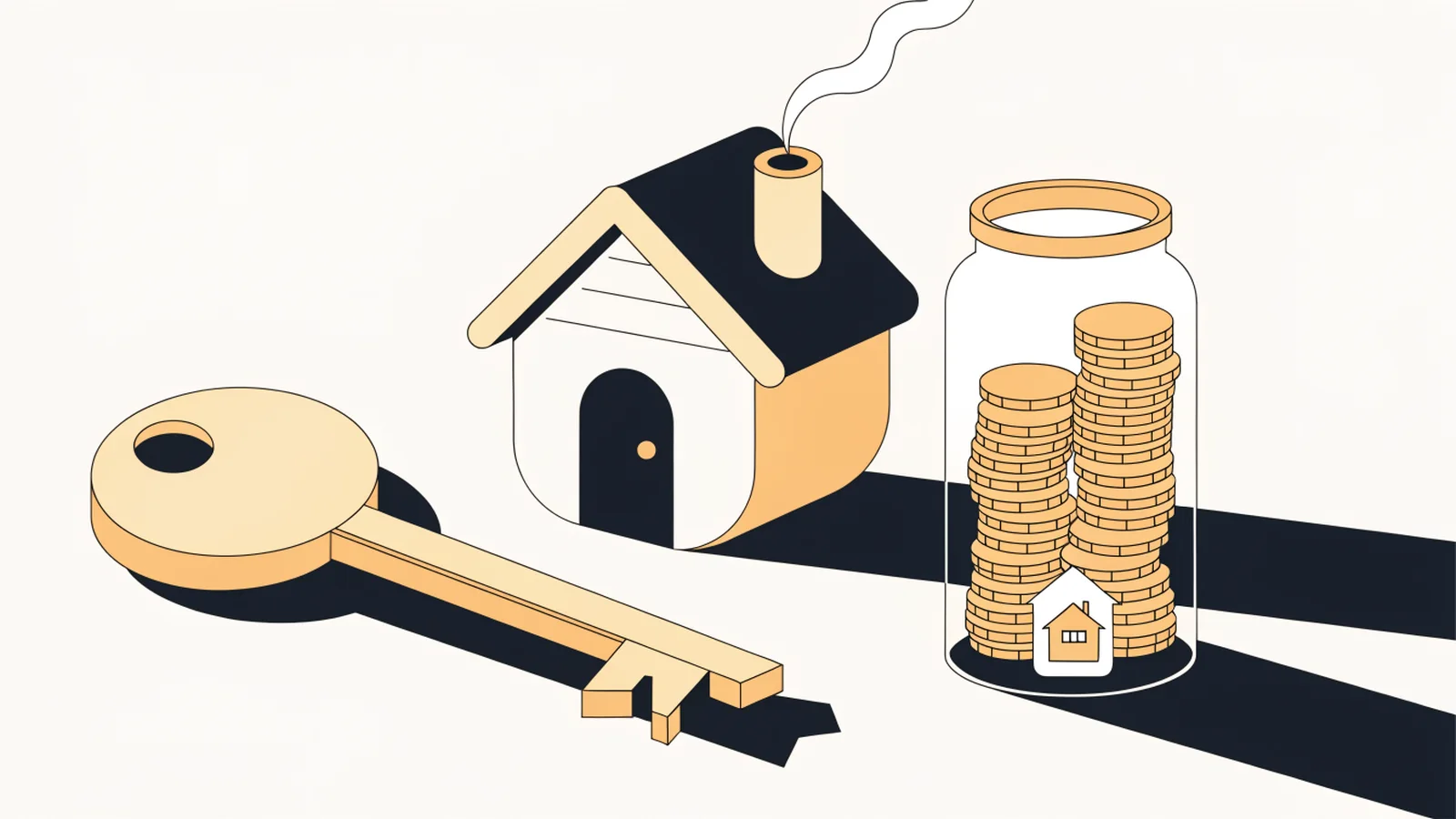
What is FHSA?
Le FHSAThe First-Time Home Buyers' Tax-Free Savings Account (FTCFA) is an innovative tax regime introduced in Canada on 1er April 2023Designed to facilitate first-time homeownership for Canadian residents, the FHSA combines the advantages of RRSP and TFSA, thus offering a flexible and tax-efficient savings solution for future homeowners.
How does it work?
Le FHSA allows individuals to contribute up to $8 000 per year, with a lifetime cap of $40 000These contributions are deductible of taxable income, which can reduce the tax payable. The deadline for annual contributions each year is December 31st. Furthermore, just as in a TFSAThe gains generated within the account (interest, dividends, capital gains) accumulate tax-freeWhen funds are used to purchase a first property, withdrawals are tax-exemptwhich makes it a powerful tool for accumulating a down payment for a first home.
Eligibility requirements and eligible properties
To open a FHSATo be eligible, certain conditions must be met. The applicant must be a Canadian resident, aged 18 to 71, and must not have owned an eligible dwelling during the year the application was opened. FHSA and the four preceding calendar years.
Eligible properties include single-family, semi-detached, row or mobile homes, as well as apartments in duplex, triplex or quadruplex type buildings located in Canada.
The tax advantages of the FHSA
Contributions to FHSA They reduce taxable income, which can lower the tax payable. Investments in the account grow tax-free, and withdrawals for the purchase of a first property are not subject to tax.
Transfers and withdrawals
Transfers from a TFSA to another TFSA, to an RRSP, or to a RRIF are tax-free. These transfers do not reduce, nor are they limited by, the individual's RRSP contribution limit. RRSPs can also be transferred to a TFSA without tax implications, subject to the TFSA contribution limits.
Eligible withdrawals of funds for the purchase of a property are not taxable, while withdrawals for other reasons are taxable and do not restore the right to contribute.
Impact on other property ownership schemes
Le FHSA does not replace other schemes such as the Home Ownership Plan (RAP), but offers an alternative or a complement. Taxpayers cannot use the RAP and the FHSA for the purchase of the same property.
Strategic planning and choices
Conclusion
Le FHSA This represents a significant step forward for prospective homeowners in Canada. By fully leveraging the benefits of this account, it's possible to move closer to the goal of buying a first home while enjoying tax advantages.
If you are considering buying your first property and would like more information about the TFSA, other available strategies, or personalized advice to achieve your financial goals, please do not hesitate to contact us .
Plan your future with confidence
Our advisors are here to build a strategy suited to your situation, whether you are just starting to think about it or ready to act.
Book an appointmentOther articles

Planning your company exit: 5 questions to ask yourself 3 to 5 years before
Selling, transferring, or bequeathing your business — a successful exit requires 3 to 5 years of preparation. Here are 5 key questions to ask yourself.
Read the article
Early retirement: the 5 most costly mistakes
Retiring early is a dream for many… until you realize that “earlier” also means “longer.” Here’s how to avoid that pitfall.
Read the article
Private banking: don’t let your money sleep
Discover the advantages of private wealth management in Gatineau. Our customized strategies maximize your assets, optimize your tax situation, and ensure your estate planning.
Read the article